
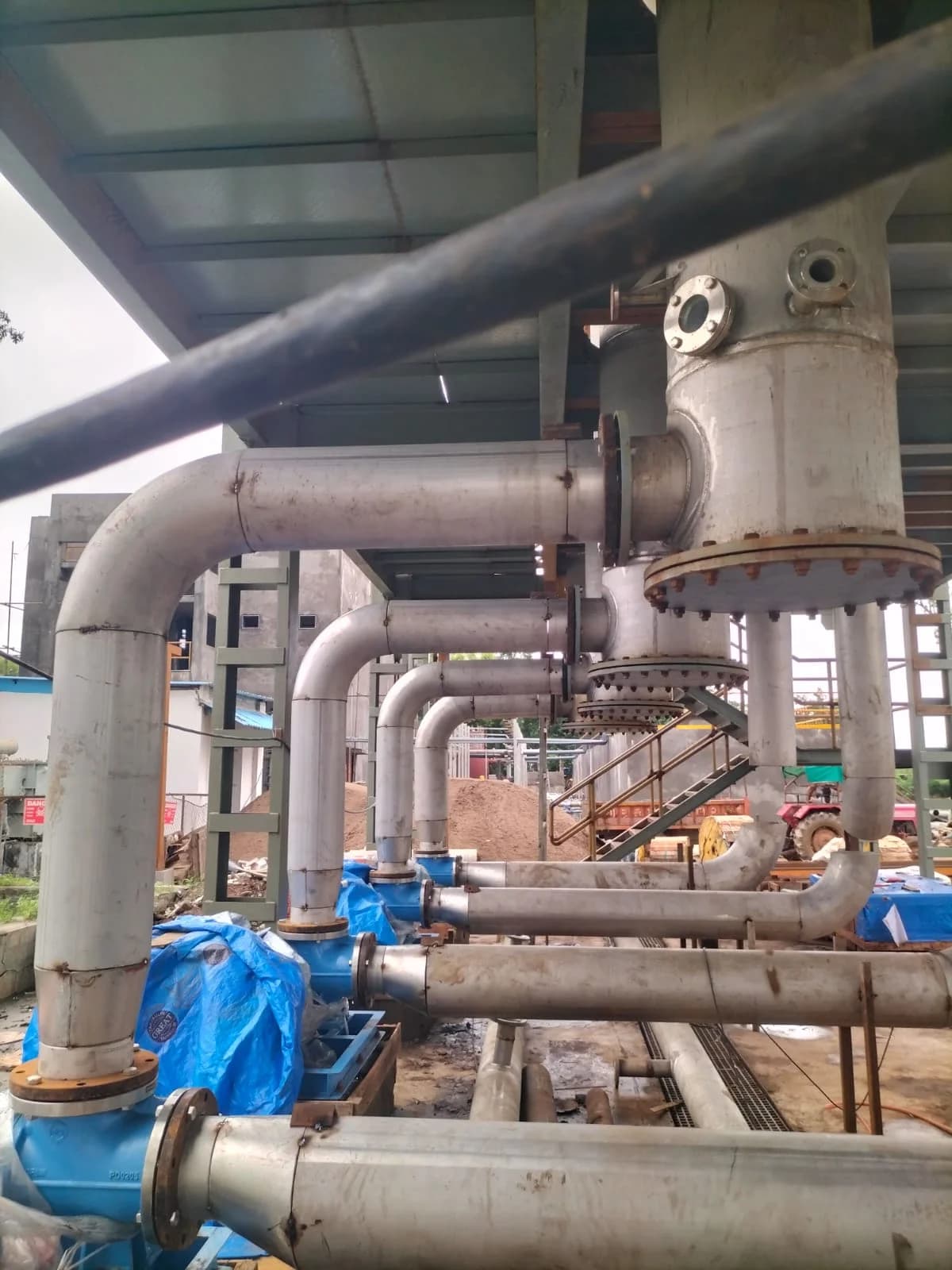
Verify the installation, not just the drawing
A brownfield drawing is a starting point. Before fabrication, compare the intended route and connection points with the site. Record existing obstructions, supports, access needs and differences that require engineering review.
Confirm the approved line specification, service and tie-in points. Material substitutions and route changes need review through the project's change process.
Coordinate fabrication with the work sequence
Break the scope into identifiable spools and installation activities. Link material identification, applicable welding requirements and inspection stages to the work package so that fabrication records remain useful on site.
Consider the practical route by which each spool reaches its final position. A convenient fabrication length may be difficult to move through an existing structure or around operating equipment.
Make the tie-in responsibilities explicit
Tie-ins connect the modification to the existing plant. Agree the available work window, isolation and permit responsibilities, inspection points and reinstatement scope with plant operations.
Other activities in the area can affect execution. The site should coordinate concurrent work and retain a clear account of which systems and work areas have been handed over.
Close the work with usable records
Agree the testing requirements and acceptance criteria with the responsible engineer before execution. Keep completed checks, approved changes and final installation information with the handover documents.
The next maintenance team should be able to understand what changed. That makes as-built information and a closed punch list practical plant assets, rather than paperwork produced only at the end of a contract.
Technical references
The following primary sources provide further context on the technologies and planning principles discussed.