
Write down the reason for the change
A revamp may address maintenance access, component condition, changed duty or a measured performance constraint. State the problem clearly and distinguish an observed symptom from an established cause.
Collect the original equipment data, available drawings, inspection history and recent operating records. The appointed specialist needs that context to assess the proposed change.
Resolve engineering responsibilities
Agree who reviews the process, who approves the mechanical changes and who defines acceptance. A component replacement, a piping modification and an MVR conversion have different engineering interfaces.
Treat changes through the plant's formal review process. Guidance on plant modifications emphasises assessing their effect on people, equipment and the wider process, rather than considering a single item in isolation.
Inspect the route to execution
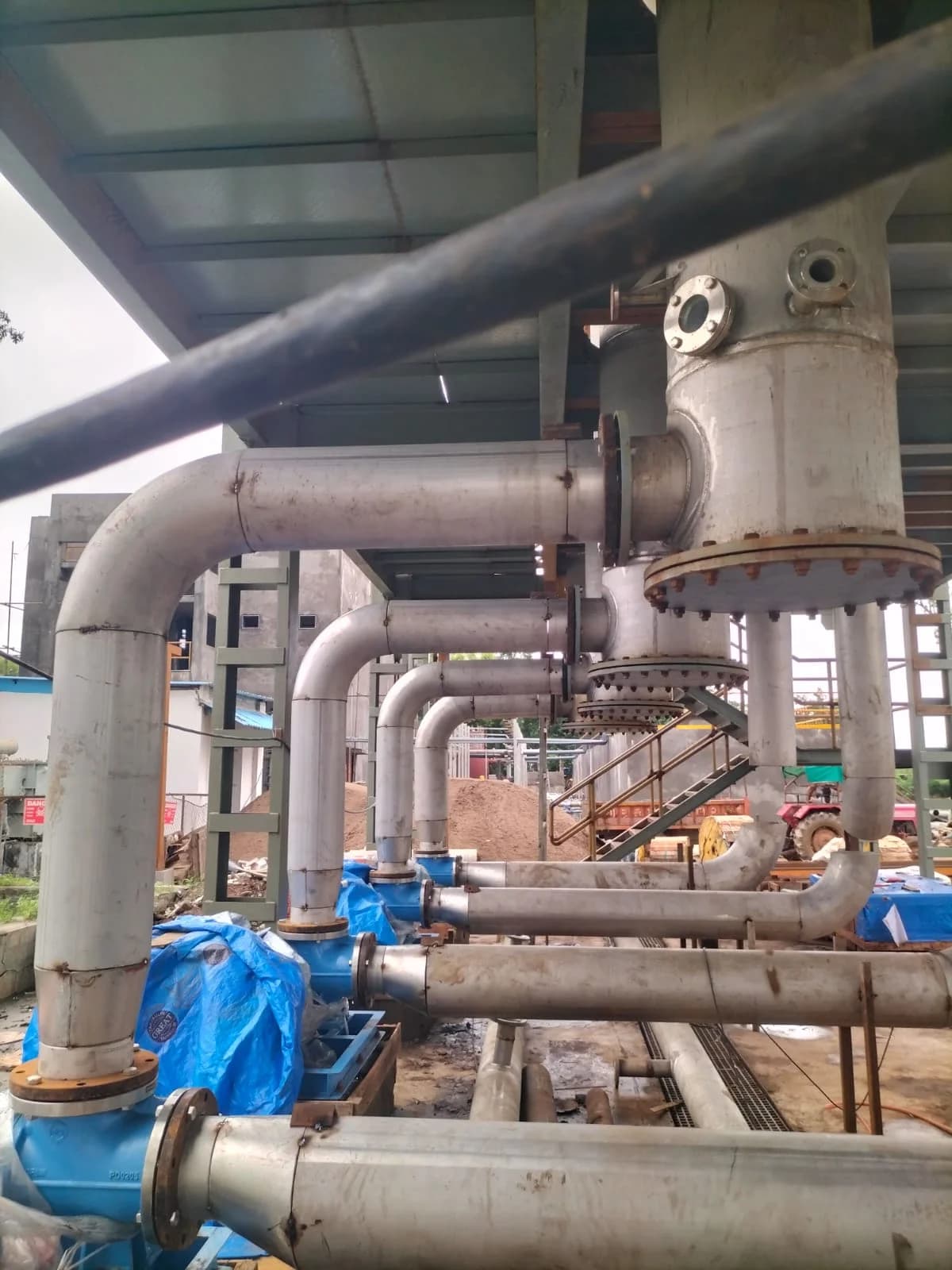
Review how existing equipment will be removed and new items brought in. Confirm site dimensions, access, supports, nearby services and the pipework that needs alteration. Identify where the drawing does not yet reflect the installation.
The resulting work pack should make procurement and fabrication decisions clear. Record unresolved items as decisions to close before the shutdown, with an owner for each.
Plan the finish before the start
Set out the inspection stages, reinstatement responsibilities and handover records. Include the time needed for checks and agreed restart support in the programme.
After the work, compare the result against the acceptance method agreed before execution. Keep updated drawings and maintenance observations with the plant records for the next intervention.
Technical references
The following primary sources provide further context on the technologies and planning principles discussed.