
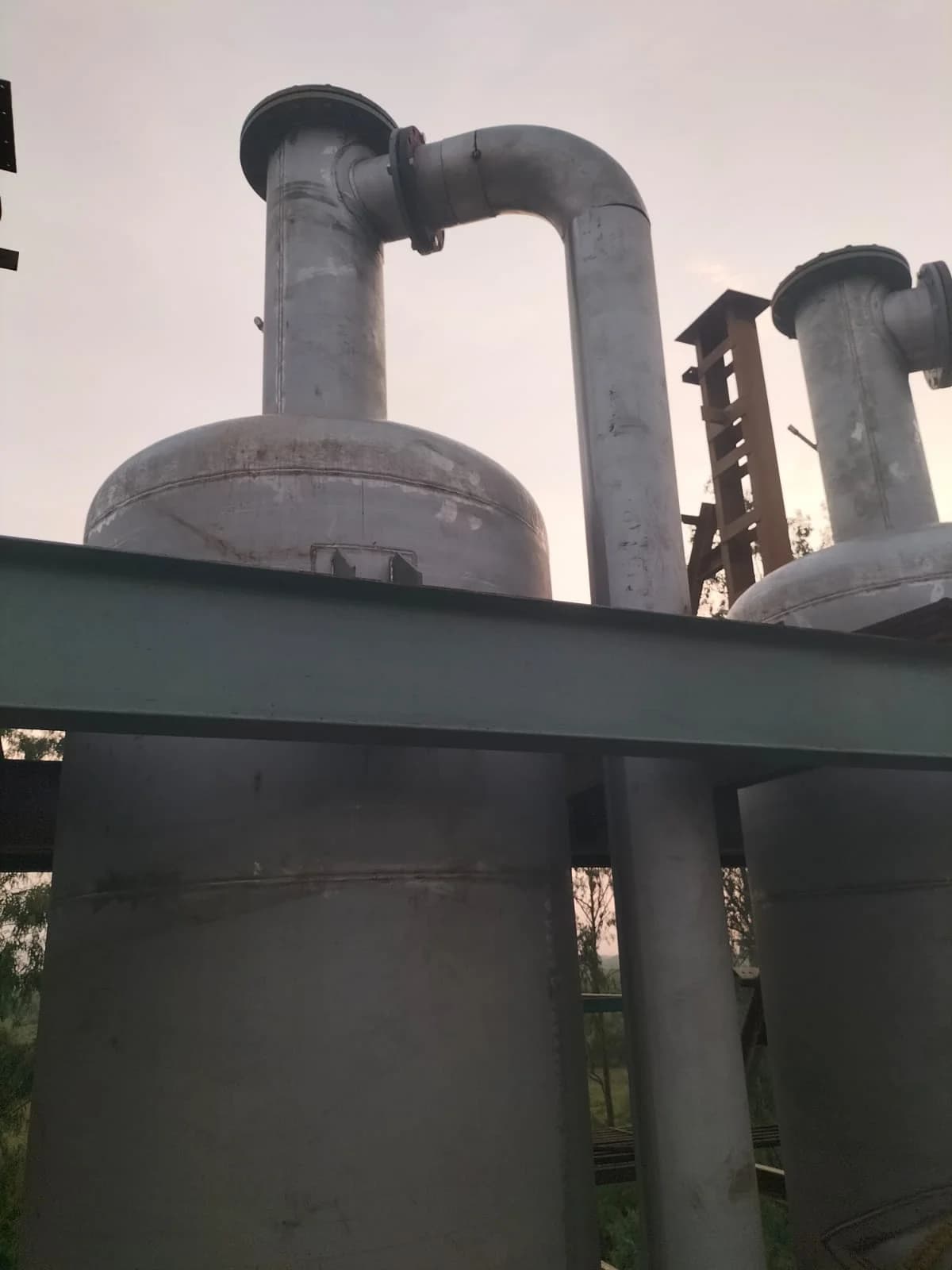
Concentration is one stage of the system
A multiple-effect evaporator concentrates a liquid by removing part of its water as vapour. It reuses vapour from an earlier effect to heat a subsequent effect. The number of effects and arrangement depend on the process design; adding effects is not a universal answer to every capacity or energy problem.
In a ZLD scheme, evaporation often follows upstream treatment and membrane recovery. The remaining concentrate may need further drying or crystallisation, while recovered condensate needs assessment against its proposed reuse duty.
Look beyond the vessels
A mechanical scope should identify the calandria, separators, condenser, vacuum-system interfaces, pumps and connected pipework. Feed, concentrate, vapour and condensate routes all need a clear destination.
For the project team, a useful early deliverable is an interface list: which party supplies each component, who connects it, which drawings govern the work and what must be checked before handover.
Plan for installation and later maintenance
Review equipment access, lifting routes, support structures and the space required for future component removal. Resolve these alongside the piping arrangement rather than waiting for the equipment to arrive.
For an existing plant, bring operating records and the original design basis into the review. An approved process assessment should define any proposed change before the mechanical work is priced or scheduled.
Keep responsibilities explicit
DAHARI's role can include erection, piping, structural works, installation, modification and maintenance. Thermal design and process-performance obligations belong to the agreed project scope and the appointed specialists.
Technical references
The following primary sources provide further context on the technologies and planning principles discussed.