
Two ways to reuse heat
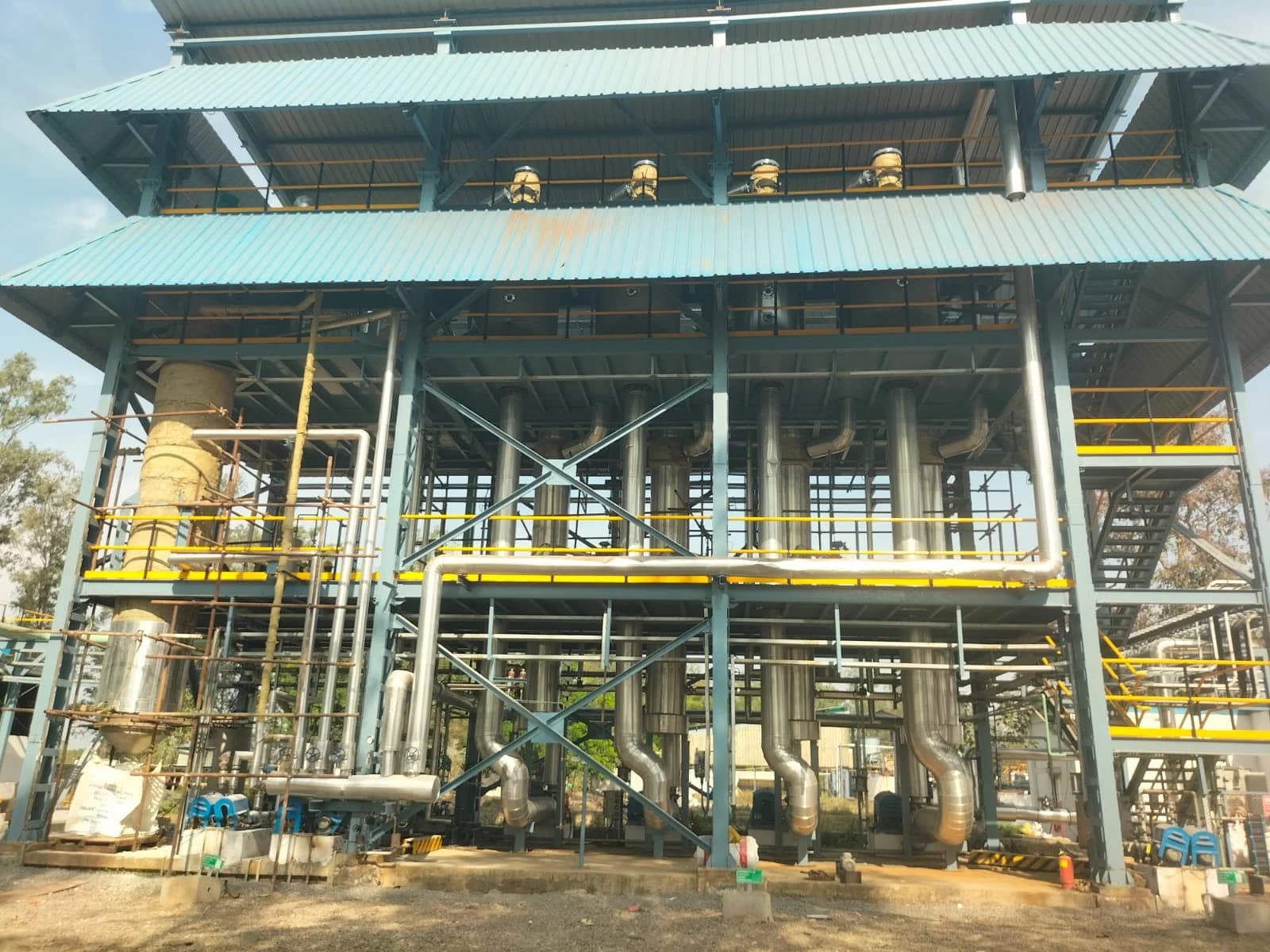
Multiple-effect evaporation reuses vapour across successive effects. Mechanical vapour recompression uses a driven compressor or fan to increase vapour pressure and temperature so that the vapour can supply heat again.
MVR changes the balance between thermal and electrical energy demand. It can reduce external steam requirements for suitable duties, but a generic percentage saving is not a project feasibility study. Start-up needs, process conditions and the actual equipment configuration still matter.
Compare the plant conditions
A useful comparison begins with the feed and concentration duty, the existing equipment, the available utilities and the intended operating pattern. Ask the appointed designer to state the assumptions behind the proposed solution.
The project review should also identify electrical scope, compressor-package requirements, equipment access and any changes to connected systems. A lower estimated energy bill alone does not define the complete investment.
A retrofit is a coordinated project
Converting an existing arrangement requires more than placing new equipment beside the evaporator. Prepare an approved interface schedule for vapour, condensate, supports and utilities, and a work sequence for the available shutdown.
Confirm who owns the process assessment, equipment selection, detailed engineering and acceptance criteria. Mechanical execution should follow these decisions, with supplier coordination maintained through installation and commissioning support.
Start with a scoped site review
Gather the original drawings, equipment data, recent operating history and known maintenance constraints. These give the project team a more useful starting point than a technology preference alone.
Technical references
The following primary sources provide further context on the technologies and planning principles discussed.