
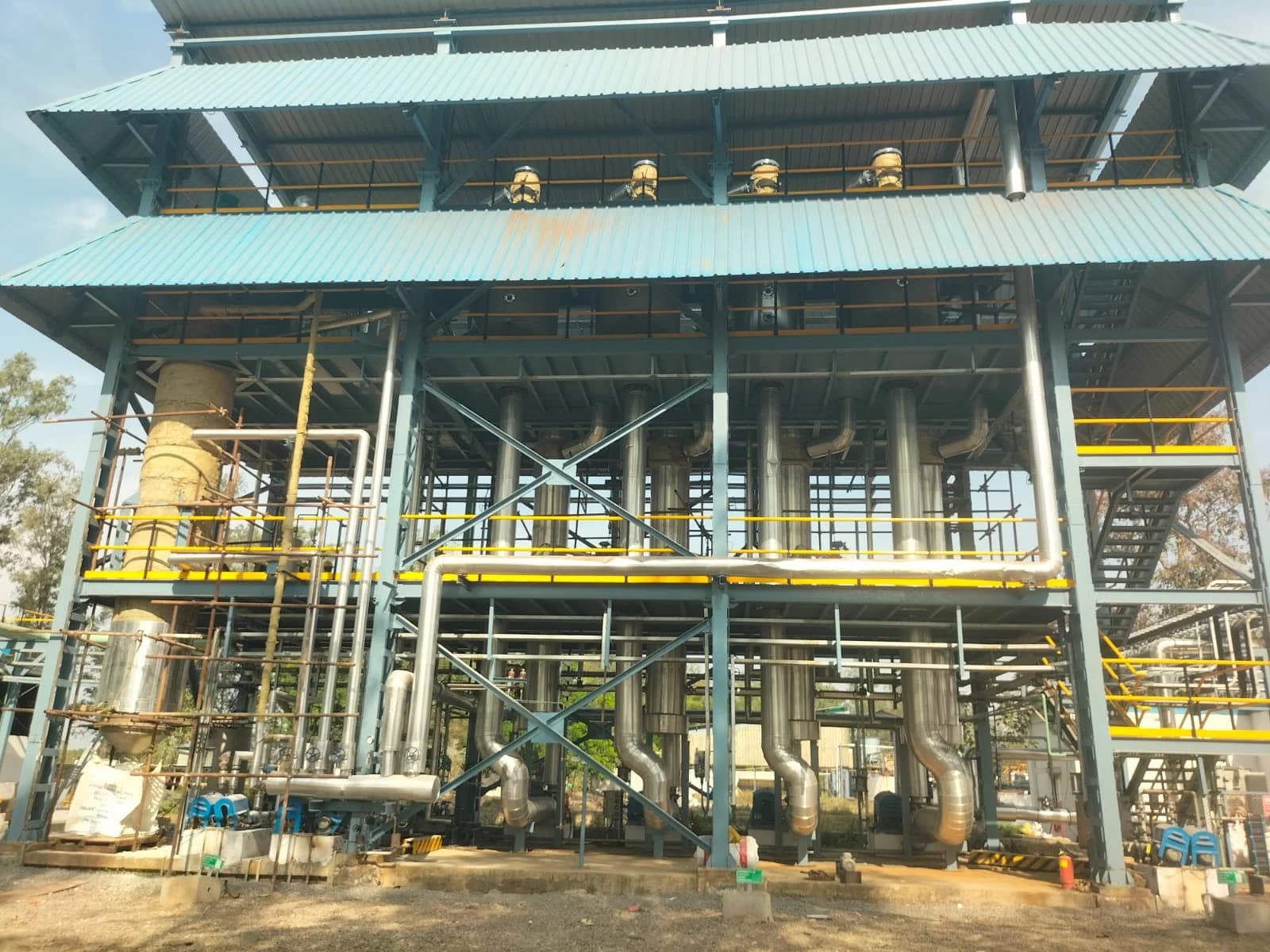
Create a work list that can be executed
A shutdown programme needs more than a list of equipment names. Each work item should identify the location, task, required materials, responsible team and completion checks. Separate defined work from items that still need engineering decisions.
Check dependencies early. A replacement may rely on prior removal work, a crane slot, prefabricated pipework and an inspection witness being available at the right time.
Move preparation outside the shutdown window
Resolve drawings, material availability, fabricated items and access arrangements before the plant stops. Review the supplier's maintenance requirements and identify any specialist support needed.
The site team should coordinate isolation and permit arrangements, concurrent work and the people responsible for releasing each area. The programme must leave room for inspection and reinstatement as well as physical installation.
Treat handovers as part of the work
Permit-to-work systems communicate the task, boundaries and required precautions. They support risk control but do not replace a competent risk assessment. Where work crosses shifts, the next team needs a clear account of completed work and remaining restrictions.
Maintain an agreed change log during execution so that additional work is assessed and authorised instead of silently displacing planned tasks.
Return an understood plant to operations
Complete the agreed checks, close or formally record outstanding items and hand over the installation through the site's procedure. Keep inspection records, replaced-part details and drawing changes together.
A brief review after the shutdown should capture what affected the schedule and which preparations would improve the next campaign. This article outlines planning considerations; the site's approved procedures govern the actual work.
Technical references
The following primary sources provide further context on the technologies and planning principles discussed.